



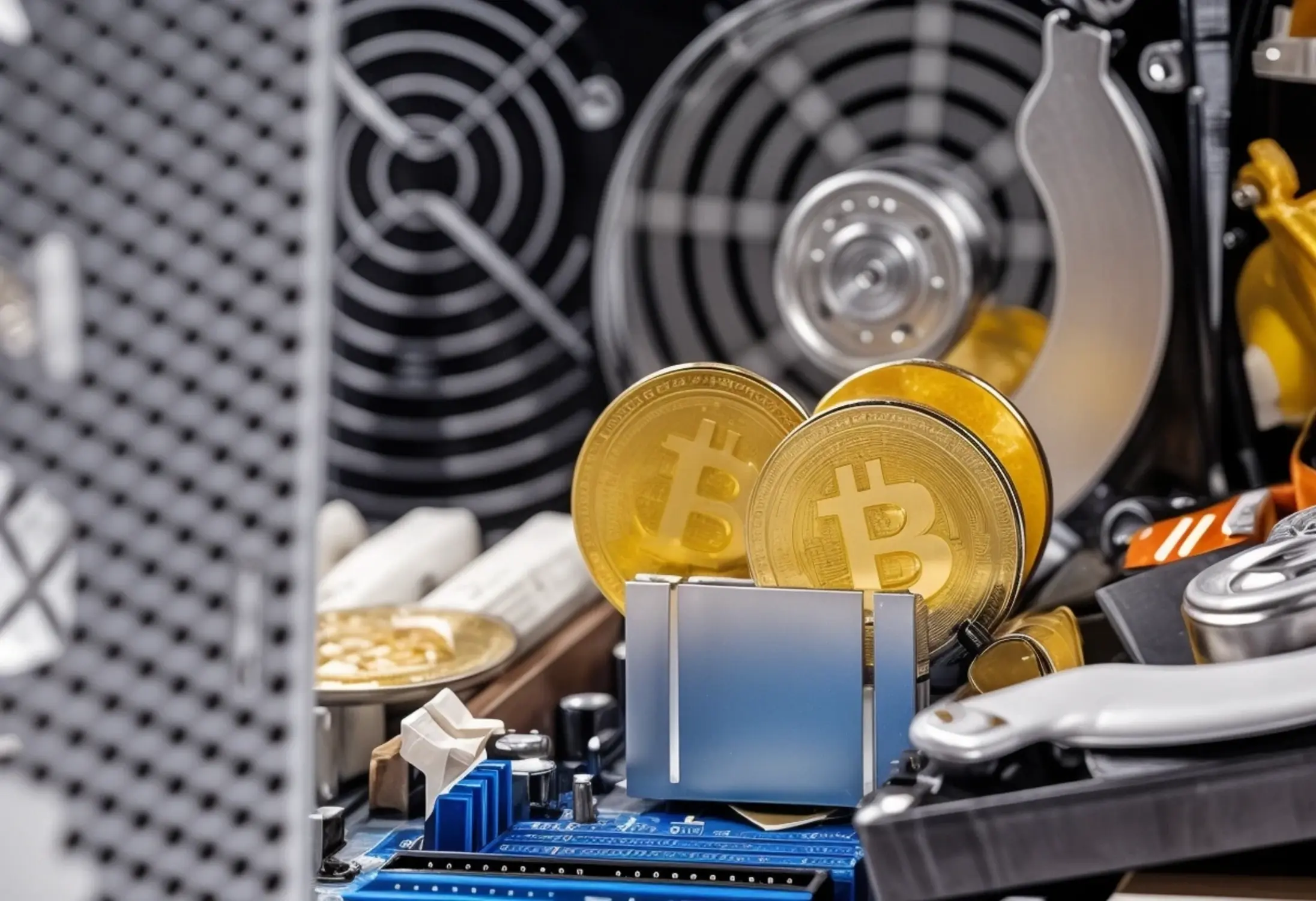
The emergence of cryptocurrency toll fees for oil tankers in the Strait of Hormuz represents a crucial turning point in global oil dynamics. As Bitcoin adoption gains traction during economic crises, the implications for international trade and oil markets are significant, opening discussions on financial sovereignty and innovative solutions to sanctions.
Impact of Bitcoin in Crises on Oil Shipping
Economic crises have historically spurred increased interest in alternative currencies, particularly Bitcoin. The decentralized nature of this cryptocurrency makes it appealing during turbulent economic times when conventional financial systems may falter. In this context, oil shipping operations could benefit from adopting cryptocurrency tolls as a method of payment. This could provide new avenues for oil tankers to navigate financial sanctions and restrictions.
The Strait of Hormuz, a narrow passageway crucial for the flow of oil from the Middle East, may increasingly become a battleground for economic strategies involving crypto adoption. With many nations facing sanctions, Bitcoin appears to be a viable alternative for transactions. According to The Conversation, Iran has already begun exploring Bitcoin as a practical financial tool in its oil shipping operations, which could redefine how maritime trade is conducted globally.
Significance of the Strait of Hormuz in Global Trade
The Strait of Hormuz is often referred to as the jugular vein of global oil transport. Approximately 20% of the world’s oil flows through this strategically vital waterway, underscoring its importance in international trade and energy security. Any disruption in this route, due to military conflicts or geopolitical tensions, can ripple through global markets, causing price hikes and supply shortages.
For instance, conflicts in the region can lead to substantial economic consequences. Ryan Kirkley, CEO of Global Settlement Network, notes that the closure of this passage could lead to jet fuel shortages or significant increases in agricultural prices. The intersection of military tensions and logistical challenges makes the Strait a focal point for discussions about energy stability and economic reliability. In fact, recent reports reveal that Iran’s efforts to charge cryptocurrency tolls on oil shipments could serve as a method of circumventing sanctions while stabilizing its economy.
Bitcoin’s Role in Iran’s Economic Landscape
Iran’s exploration of Bitcoin mining significantly interacts with its broader economic landscape. Facing international sanctions that limit its financial options, Iran has pivoted toward cryptocurrency to enhance its economic resilience. As the country capitalizes on its natural gas resources for mining, Bitcoin mining could become a critical revenue stream.
Moreover, the relationship between sanctions and alternative payment methods like Bitcoin illustrates the concrete financial mechanisms driving countries to adopt cryptocurrencies. Profiles of key players in this space reveal a burgeoning ecosystem within Iran. Various tech-savvy entrepreneurs and state-affiliated entities are working to maximize the economic potential of cryptocurrencies, offering a radical shift in how nations engage with global markets. By leveraging cryptocurrencies, Iran may be positioning itself to maintain its oil trade even amidst restrictive sanctions.

Cryptocurrency Toll System Implementation Challenges
While the concept of cryptocurrency tolls in oil transport sounds promising, several logistical and technological hurdles must be addressed. The infrastructure required to implement such a toll system may be lacking, particularly in regions with limited access to advanced technology.
Resistance from traditional banking systems could also pose significant challenges. Many institutions may be unwilling to adopt cryptocurrency-based payment systems due to regulatory concerns or potential losses in transaction control. To illustrate, existing case studies of cryptocurrency payment systems show varying degrees of success, often hindered by complex regulations and technological barriers. For stakeholders in the oil market, understanding these challenges is crucial for adopting innovative payment solutions effectively.
Prospects for Bitcoin Adoption Amid Economic Tensions
As the global landscape shifts, the prospects for Bitcoin adoption, particularly among economies under sanctions, show significant promise. Current trends indicate that nations like Iran are already increasingly integrating Bitcoin into their economic frameworks, signaling a potential future where cryptocurrencies might play a central role in international trade.
The ability of cryptocurrencies to de-escalate conflicts impacting oil transport could redefine market dynamics. Investors should closely monitor shifts in cryptocurrency regulations globally, as any changes may substantially impact oil markets and international trade relations. Greater trust in cryptocurrency systems could serve as a risk mitigation strategy for stakeholders navigating economic tensions.
Solutions for Stakeholders in Oil Markets
For oil companies looking to adapt to changing toll structures, actionable strategies will be essential. This could include investing in technology that facilitates crypto transactions, particularly in regions like the Strait of Hormuz. Policymakers should also consider creating comprehensive regulatory frameworks that support the legitimacy of cryptocurrency in oil trade, thus ensuring smoother transactions across borders.
Finally, opportunities for investors in the evolving landscape of oil and cryptocurrency are bound to arise. As nations transition into crypto-based economic systems, the intersection of these two markets could yield new forms of profitability and strategic partnerships. Navigating this space will require vigilance and adaptability as the global landscape continues to evolve.