
Cryptocurrency scams have surged, prompting Russia’s Central Bank to take decisive action. As digital asset risks grow, the Bank’s strategies are critical for protecting investors and fostering a safer investment environment, making this topic urgent and relevant to all stakeholders in the market.
Understanding the Scope of Cryptocurrency Scams
Cryptocurrency scams have experienced a drastic increase in prevalence, posing significant risks to investors. According to recent reports, billions of dollars have been lost to various types of crypto fraud, highlighting the urgent need for a robust regulatory framework. Common scams include Ponzi schemes, fake exchanges, and phishing attacks, which exploit the lack of consumer protection in the cryptocurrency space. For example, reports suggest that the total value lost to global cryptocurrency scams reached approximately $14 billion in 2022 alone, underlining the extent of the problem.
These scams significantly impact public trust in cryptocurrencies. As more investors fall victim, skepticism towards digital assets grows. This declining trust can inhibit the growth of legitimate cryptocurrency projects and hinder the mainstream adoption of crypto technologies.
Russia Central Bank’s Role in Financial Security
The Russia Central Bank plays a crucial role in regulating financial markets, particularly in response to the escalating threats posed by cryptocurrency scams. It is responsible for maintaining the stability of the national currency and overseeing the entire financial system. Given the rise in crypto fraud, the Bank has launched several initiatives to mitigate risks associated with digital assets. For instance, they have increased surveillance on cryptocurrency exchanges and implemented stricter guidelines for financial institutions engaging with blockchain technologies.
These actions reflect the Bank’s commitment to enhancing financial security amid rising investment risks. As industry leaders emphasize, effective regulation can help protect consumers while also fostering innovation within the cryptocurrency sector. Without these measures, the potential for widespread financial scams could derail the progress of digital currencies in Russia and beyond.
Challenges in Addressing Investment Risks
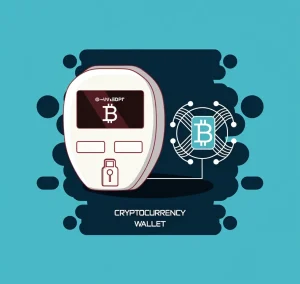
Regulating cryptocurrencies presents unique challenges that complicate enforcement. The decentralized nature of cryptocurrencies makes them difficult to monitor and control, creating hurdles for authorities attempting to curb scams. Additionally, one of the significant technological challenges is ensuring crypto wallet security. Many wallets are vulnerable to hacks, which exploit weaknesses in both software and user practices.
Moreover, international cooperation is vital in addressing these challenges. Cryptocurrencies operate across borders, which often complicates legal jurisdiction. Collaborative efforts among nations to establish common regulations and share intelligence can significantly enhance the ability to combat cryptocurrency fraud effectively. The recent global push for stricter regulations reflects a growing understanding of these challenges.
Current Trends in Crypto Investment Risks
The landscape of crypto investments is evolving, with several recent trends emerging that highlight associated risks. Notably, even with the prevalence of scams, investor interest in digital assets continues to grow. A report indicated that about 25% of institutional investors are keen on exploring digital asset strategies, despite the recent downturns in the crypto market, particularly in Bitcoin’s value, which has fallen nearly 25% this year (CoinDesk). This duality of interest and caution suggests a cautious but persistent embrace of cryptocurrencies.
Investor sentiment has shown signs of evolving, as many become more educated about the risks involved. As expert observers note, discerning between genuine opportunities and fraudulent schemes becomes paramount. Thus, despite the grey cloud of scams, institutional interest may pave the way for a more robust, regulated marketplace.
Recommendations for Enhancing Crypto Wallet Security
Securing cryptocurrency wallets is critical for safeguarding investments, especially with the rising number of hacks. Here are essential steps for enhancing security:
– Enable Two-Factor Authentication: Always use two-factor authentication to add an extra layer of security.
– Keep Software Updated: Regularly update wallet software to protect against potential vulnerabilities.
– Use Hardware Wallets: Consider using hardware wallets for large holdings, as they store crypto assets offline.
– Educate Yourself: Continuously educate yourself about common scams and tactics used by fraudsters.
Distinguishing between genuine and fraudulent platforms is crucial. Look for signs of legitimacy: regulated exchanges typically adhere to strict compliance guidelines, whereas shady operators may lack transparency.
The Future of Cryptocurrency Regulation
Looking ahead, predictions about the evolution of cryptocurrency regulations in Russia point toward increased oversight. The Central Bank is likely to continue adapting to technological advancements in the sector, which may lead to new regulations aimed at investor protection without stifling innovation. Establishing a balanced regulatory framework will be essential in encouraging responsible growth within the cryptocurrency industry.
Potential impacts of these new regulations may involve fostering a safer investment environment while legitimizing the digital asset sector. As the regulatory landscape evolves, it must navigate the delicate balance between safeguarding investors and promoting innovation in a rapidly changing market.
By tackling rising cryptocurrency investment risks through education, technology, and regulations, there lies the potential to create a more secure investment environment that fosters consumer confidence and encourages broader participation in the digital economy.